“`html
The Evolution of Health Reporting in the Digital Age
In the modern media landscape, health news is one of the most consumed yet scrutinized niches. With the rise of “Dr. Google” and the rapid spread of medical misinformation, the responsibility of a health journalist or content creator has never been greater. Success in this field requires more than just a knack for writing; it requires a sophisticated toolkit to ensure accuracy, authority, and visibility.
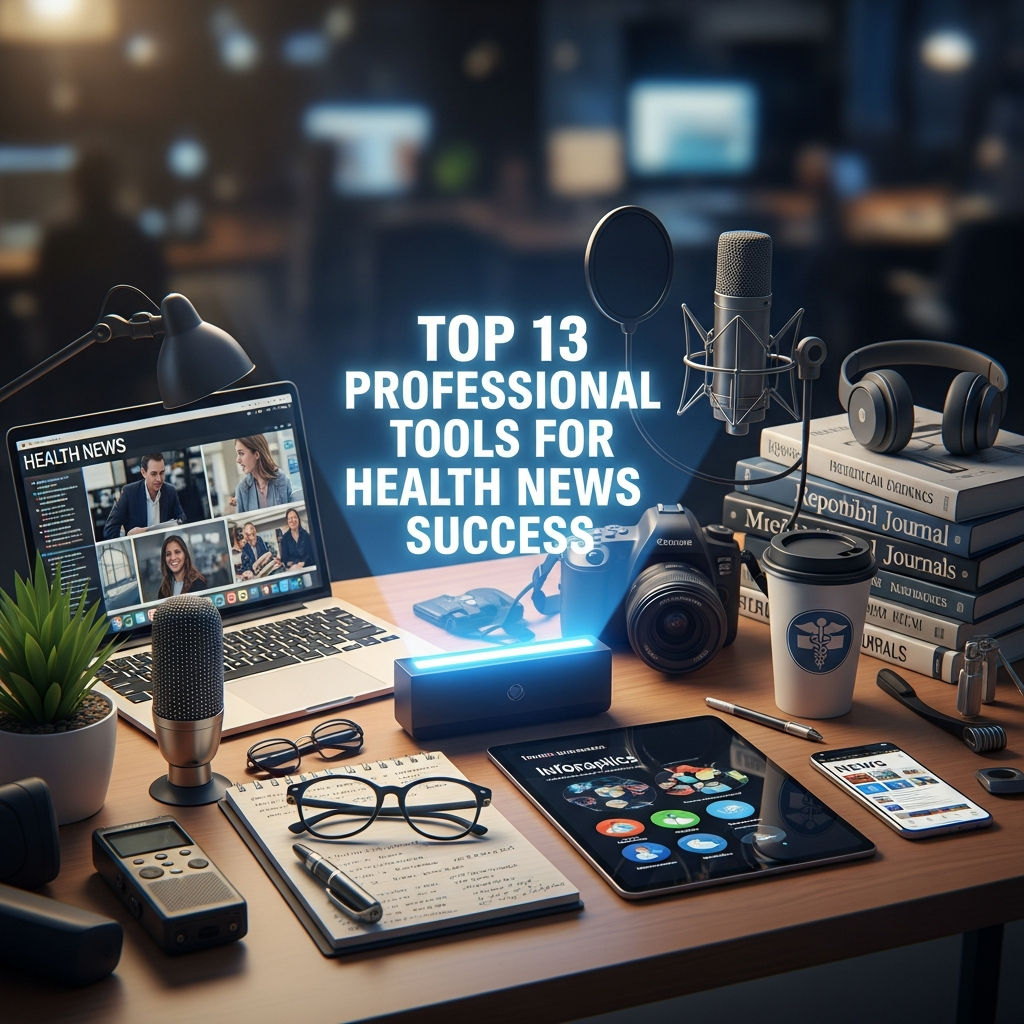
To thrive in health news, professionals must balance scientific rigor with digital marketing savvy. This means utilizing tools that help verify clinical trials, track emerging viral health trends, and optimize content for search engines. Whether you are an independent health blogger, a medical communications specialist, or a veteran journalist, the following 13 professional tools are essential for achieving success in health news.
Essential Research and Medical Databases
Accuracy is the foundation of health journalism. Relying on secondary sources can lead to the “telephone game” effect, where medical facts are distorted. These tools provide direct access to primary research.
1. PubMed (NCBI)
PubMed is the gold standard for medical research. Comprising more than 35 million citations for biomedical literature from MEDLINE, life science journals, and online books, it is the first stop for any serious health reporter. Success in health news depends on citing peer-reviewed studies, and PubMed allows you to filter by clinical trials, systematic reviews, and meta-analyses to find the highest quality evidence.
2. The Cochrane Library
While individual studies are important, systematic reviews provide a broader view of medical evidence. The Cochrane Library is a collection of databases that contain high-quality, independent evidence to inform healthcare decision-making. Using Cochrane reviews allows you to report on what the “weight of evidence” actually says about a treatment, rather than just highlighting a single, potentially outlier study.
3. EurekAlert! (AAAS)
To stay ahead of the news cycle, you need access to embargoed research. EurekAlert!, operated by the American Association for the Advancement of Science (AAAS), is a non-profit news-release distribution platform. It provides journalists with advance access to papers from major journals like Science and The Lancet, allowing you to prepare in-depth stories before the research goes public.
Tracking Trends and SEO Optimization
Even the most accurate health story won’t have an impact if no one reads it. SEO (Search Engine Optimization) and trend tracking are vital for ensuring your content reaches the audience that needs it most.
4. Google Trends
Health concerns often follow seasonal or news-driven patterns. Google Trends allows you to see what health symptoms or conditions people are searching for in real-time. For example, during a flu outbreak or a new supplement craze, Google Trends helps you identify the specific questions the public is asking, allowing you to tailor your headlines to meet their needs.
5. SEMrush / Ahrefs
In the competitive world of health news, ranking on the first page of Google is crucial. Tools like SEMrush or Ahrefs are indispensable for keyword research. They allow you to identify “long-tail” keywords (e.g., “how to manage type 2 diabetes with diet”) that have high search volume but manageable competition. These tools also help you monitor your competitors’ “Health” and “Your Money or Your Life” (YMYL) content strategies.
6. BuzzSumo
BuzzSumo is a powerful tool for discovering what health content is performing best on social media. By analyzing which medical stories are getting the most shares, likes, and backlinks, you can understand the emotional triggers and topics that resonate with your audience. This data-driven approach allows you to craft “viral-ready” health news without sacrificing scientific integrity.
Accuracy and Fact-Checking Tools
Google’s E-E-A-T (Experience, Expertise, Authoritativeness, and Trustworthiness) guidelines are particularly strict for health content. Fact-checking isn’t just an ethical duty; it’s an SEO requirement.
7. Health Feedback
Health Feedback is a non-profit organization that leverages a global network of scientists to fact-check influential health media coverage. It is an excellent resource for health news professionals to see which claims are being debunked. Referencing Health Feedback can help you avoid the pitfalls of reporting on “junk science” or sensationalized press releases.
8. Retraction Watch
Reporting on a study that has been retracted can devastate your credibility. Retraction Watch maintains a comprehensive database of retracted scientific papers. Before citing a “groundbreaking” study from five years ago, a quick search on this platform ensures that the study hasn’t been pulled due to fraud, error, or ethical concerns.
Data Visualization and Design Tools
Medical data can be dry and difficult for the average reader to digest. Visualization tools help translate complex statistics into engaging, shareable graphics.
9. BioRender
For high-level health news, standard stock photos often fall short. BioRender is a specialized design tool for creating professional science figures. It contains a vast library of medically accurate icons—from anatomical structures to molecular pathways. This allows health news outlets to create custom illustrations that look as professional as those found in medical textbooks.
10. Datawrapper
Health news often involves reporting on epidemiology or clinical trial percentages. Datawrapper is a tool designed specifically for journalists to create clean, interactive charts and maps. It is easy to use and ensures that your data visualizations are mobile-responsive and accessible, which is a key factor in modern digital publishing.
11. Canva
While BioRender is for technical graphics, Canva is the king of social media assets. For health news success, you need to turn your articles into Instagram carousels, Pinterest pins, and Twitter graphics. Canva’s templates allow you to create “snackable” health tips that drive traffic back to your long-form news reports.
Content Management and Distribution
How you deliver your news is just as important as what you write. Building a loyal community is the best way to ensure long-term success.
12. Substack / Ghost
The newsletter model is booming in the health sector. Platforms like Substack or Ghost allow health journalists to build a direct relationship with their audience, bypassing the volatility of social media algorithms. A weekly health news digest can establish you as a trusted authority, providing a curated experience for readers overwhelmed by the sheer volume of online health information.
13. Hootsuite / Buffer
Consistency is key in news reporting. Hootsuite or Buffer allow you to schedule your health news updates across multiple platforms. This ensures that your content is being shared at peak times when your audience is most likely to be online, whether that is early morning wellness seekers or late-night researchers.
Conclusion: Building Trust Through Professionalism
Success in the health news industry is measured by the trust of your readers. By utilizing professional tools like PubMed for research, SEMrush for visibility, and Health Feedback for verification, you position yourself as a reliable beacon in a crowded marketplace. The integration of high-quality data visualization through tools like BioRender further elevates your content, making complex medical news accessible to all.
Ultimately, the best health news professionals are those who combine a passion for public health with the technical skills to navigate the digital world. By mastering these 13 tools, you will not only improve your workflow but also contribute to a better-informed public—one accurate, well-optimized story at a time.
- Primary Research: PubMed, Cochrane, EurekAlert!
- Growth & Visibility: Google Trends, SEMrush, BuzzSumo
- Integrity: Health Feedback, Retraction Watch
- Engagement: BioRender, Datawrapper, Canva
- Loyalty: Substack, Hootsuite
“`